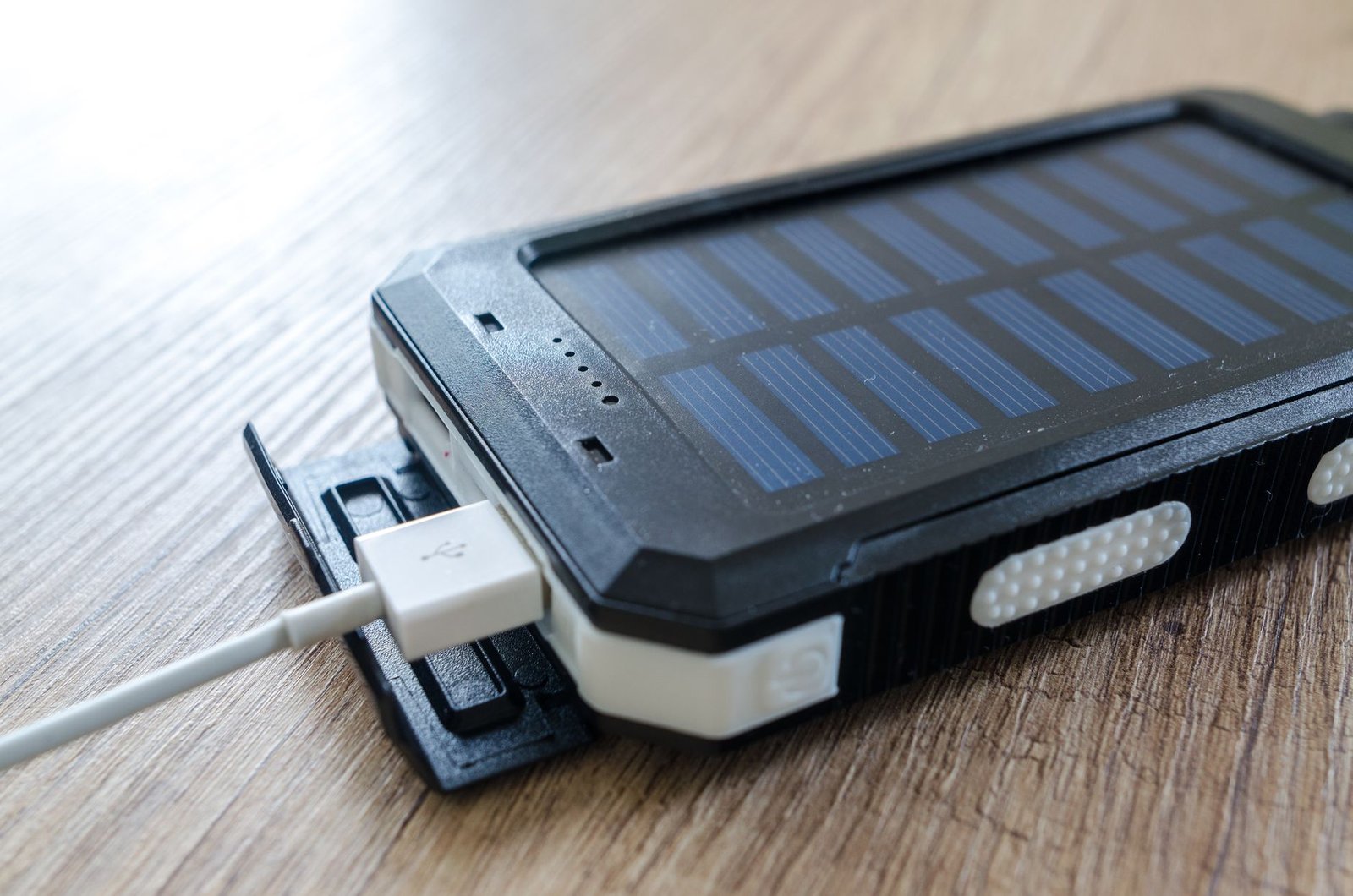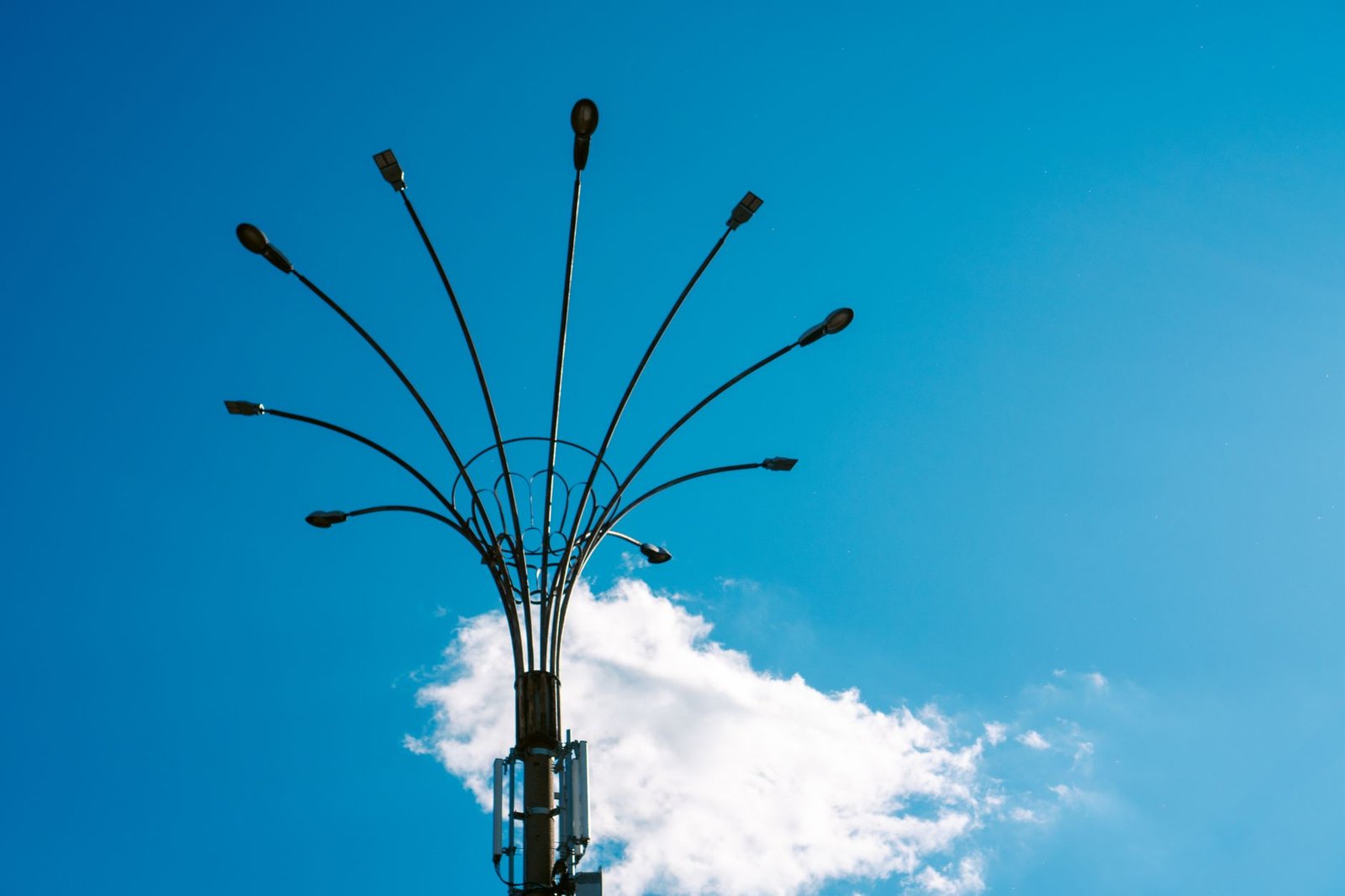
How do solar street lights work? These clever outdoor lighting systems turn sunlight into usable electricity, store it in a battery, and release that energy after dark to illuminate roads, pathways, and public spaces. Unlike traditional streetlights that draw power from the electrical grid, solar street lights operate independently, which makes them ideal for remote areas, parking lots, parks, and neighborhoods where running cables would be expensive or impractical. Understanding the basic components and the flow of energy helps explain why these lights have become such a popular, low-maintenance solution for outdoor illumination.
What Is a Solar Street Light?
A solar street light is a stand-alone lighting unit that generates its own power from the sun. A typical system combines four main parts: a solar panel, a rechargeable battery, a controller, and an LED light fixture. Many models also include a motion sensor and a mounting pole or bracket. Because the entire system is self-contained, no trenching, wiring, or connection to the utility grid is required. That independence is the defining feature of what is a solar street light and the reason it can be installed almost anywhere the sun reaches.
The Main Components and Their Roles
Solar Panel
The solar panel is the energy source. It contains photovoltaic cells made of semiconductor materials, usually silicon. When sunlight strikes these cells, it knocks electrons loose and creates a flow of direct current (DC) electricity. This is the photovoltaic effect, and it is the foundation of how solar street light works. Panels are typically mounted at an angle to capture as much sunlight as possible throughout the day.
Rechargeable Battery
The battery stores the electricity produced during daylight hours so it can be used at night. Most modern solar street lights use lithium iron phosphate (LiFePO4) or lithium-ion batteries because they are efficient, long-lasting, and tolerate varying temperatures well. The battery capacity determines how many hours the light can run during cloudy weather or long winter nights.
Controller
The controller is the brain of the system. It manages the flow of electricity between the panel, battery, and light. It prevents the battery from overcharging during bright sunny days and from over-discharging at night, both of which can shorten battery life. Many controllers also handle automatic dusk-to-dawn operation, dimming schedules, and motion-sensing modes.
LED Light Fixture
LEDs are the preferred light source because they are highly efficient, produce bright illumination, and last for tens of thousands of hours. They consume far less power than older technologies, which means a smaller battery and panel can deliver strong nighttime performance.
How Are Solar Street Lights Powered?
How are solar street lights powered throughout the day and night? The process follows a simple daily cycle.
1. Charging phase: During daylight, the solar panel converts sunlight into DC electricity. The controller directs this power to the battery, charging it fully.
2. Storage phase: The battery holds the energy until it is needed. A well-sized battery can store enough power to keep the light running for several nights without sun.
3. Discharge phase: At dusk, a light sensor in the controller detects the drop in ambient light and switches the LED on. The battery discharges to power the light.
4. Recharge cycle: At dawn, the controller turns the light off and the panel begins charging the battery again.
This cycle repeats automatically every day, which is why solar street lights require so little human intervention once installed.
Why Solar Street Lights Are So Efficient
Several design features make these lights remarkably efficient. Motion sensors allow the light to run at a lower brightness when no one is around, then brighten to full power when movement is detected. This conserves battery energy and extends runtime. Programmable controllers can also dim the light during late-night hours when traffic is minimal. High-efficiency LEDs convert most of the stored energy into light rather than heat, so very little power is wasted.
Installation and Maintenance Considerations
Because there is no grid connection, installation is often faster and cheaper than traditional street lighting. The main requirements are a sturdy pole, a location with good sun exposure, and proper sizing of the panel and battery for the local climate. Maintenance is minimal: occasionally cleaning the panel to remove dust or snow, checking battery health every few years, and ensuring the controller settings still match the site’s needs. In most cases, a quality system can operate reliably for many years.
Conclusion
Solar street lights work by harvesting sunlight, storing it in a battery, and using a controller to deliver power to an LED fixture after dark. The system is self-sufficient, efficient, and adaptable to a wide range of locations. Whether you are lighting a remote trail, a parking area, or a residential street, understanding how do solar street lights work helps you choose the right size, battery capacity, and features for dependable, cost-effective illumination.