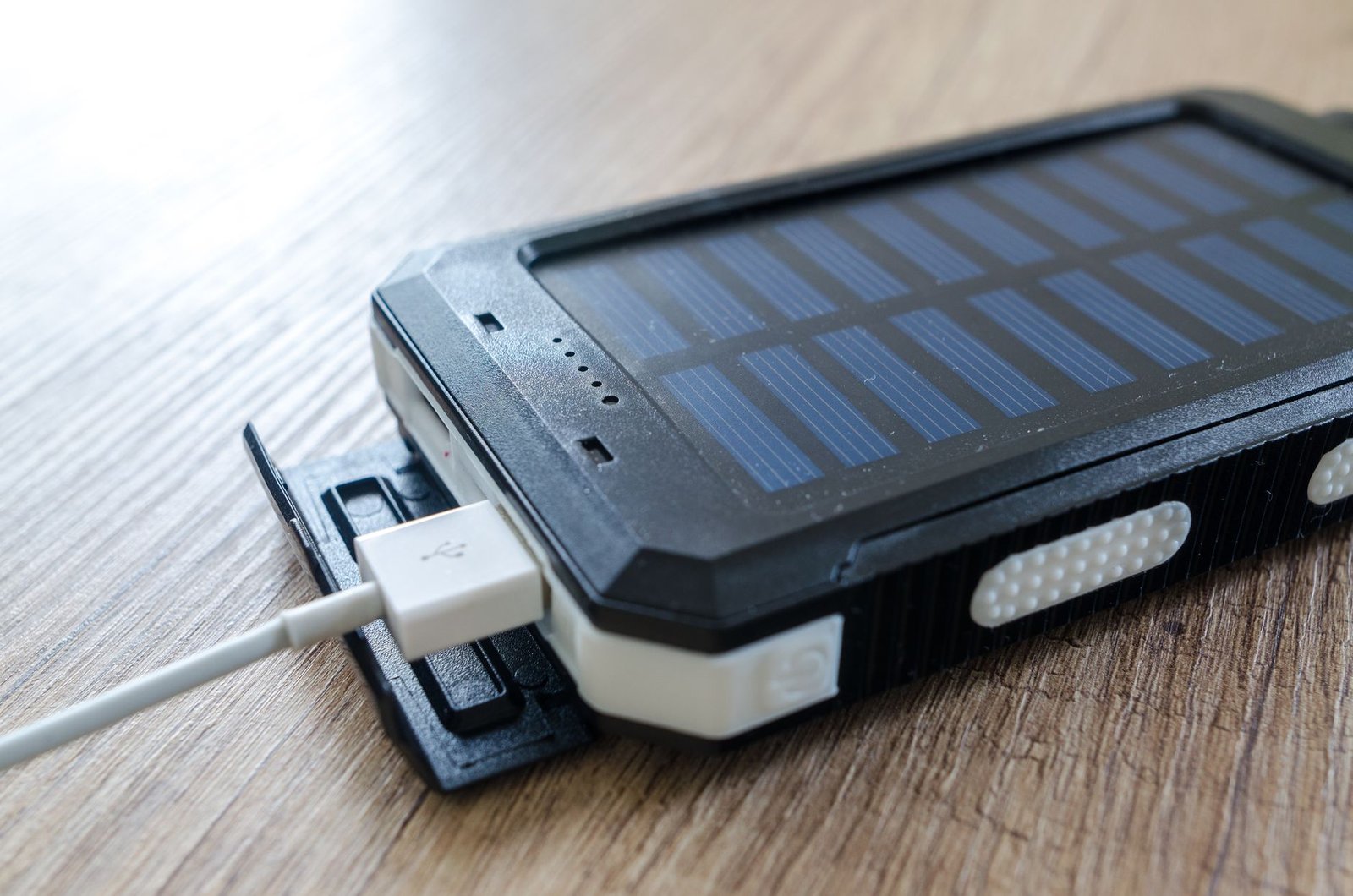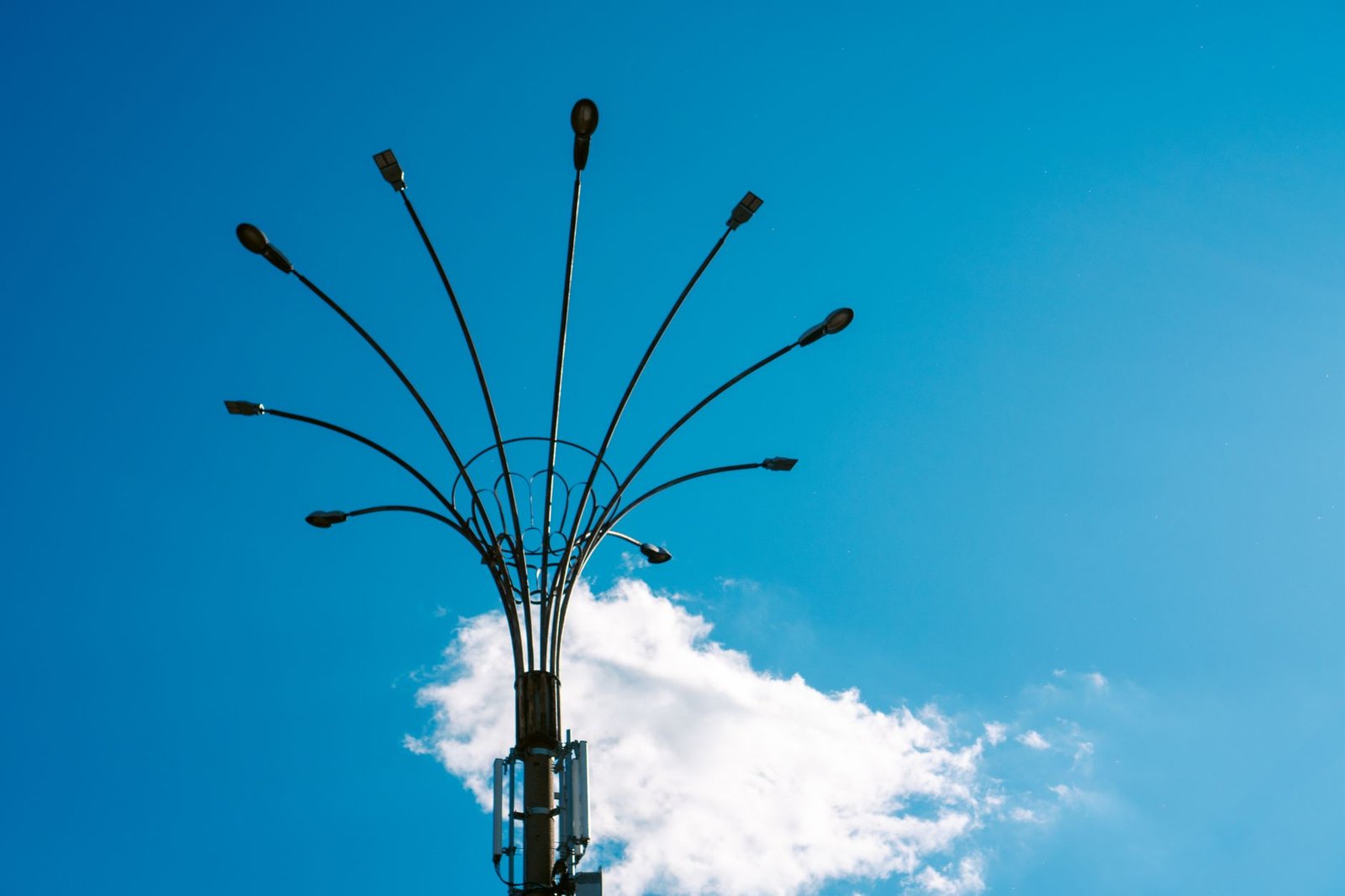
Solar street lights cloudy weather performance is one of the most common concerns for anyone considering a switch to solar-powered outdoor lighting. The good news is that modern solar street lights are designed with real-world weather conditions in mind, including overcast skies, extended rain, and the short daylight hours of winter. Understanding how these systems store and manage energy helps explain why they remain dependable even when the sun barely shows its face.
How Solar Street Lights Perform in Cloudy Weather
Solar panels do not need direct, blazing sunlight to produce electricity. They rely on visible light, and even on a heavily overcast day, a meaningful amount of light still reaches the panel. Output drops compared to a clear day, but it rarely falls to zero. A well-designed solar street light can typically capture somewhere between 10 and 25 percent of its peak output under thick cloud cover, and considerably more under light or broken clouds.
The key is that solar street lights are not designed to run directly off the panel in real time. They charge a battery during the day and draw from that battery at night. This buffering effect is what makes cloudy weather manageable rather than disruptive.
Will Solar Lights Charge on a Cloudy Day?
The direct answer to “will solar lights charge on a cloudy day” is yes, though more slowly and with reduced capacity. Several factors influence how much charge is collected:
– Cloud thickness: Thin, high clouds block far less light than dense, low storm clouds.
– Panel quality: Monocrystalline panels generally outperform older polycrystalline options in low-light conditions.
– Panel angle and orientation: A panel tilted toward the sun’s path captures more diffuse light.
– Temperature: Cooler conditions can actually improve panel efficiency, offsetting some cloud-related losses.
– System design: MPPT (maximum power point tracking) controllers squeeze more usable power out of weak sunlight than basic controllers.
This means a solar light may reach full charge on a partly cloudy day, partial charge on a gray day, and only a modest top-up during a heavy storm. The battery, not the panel alone, determines whether the light still shines that night.
Solar Lights Rainy Days: Built for Extended Bad Weather
When manufacturers talk about solar lights rainy days capability, they are usually referring to autonomy, the number of consecutive days a light can operate without any meaningful solar input. Quality solar street lights typically offer two to five days of autonomy, and premium models can stretch to seven days or more.
This is achieved through:
1. Oversized battery banks that store surplus energy during sunny periods.
2. Intelligent controllers that dim output during low-battery conditions instead of shutting off completely.
3. Motion sensors that keep lights at a low standby brightness and boost to full power only when someone approaches.
4. Weather-sealed housings rated IP65 or higher, protecting electronics from rain, humidity, and dust.
Together, these features mean a stretch of rainy days does not leave a street dark. The system simply draws down its reserve and recovers once the weather clears.
Solar Street Light Rainy Day Backup: What to Look For
If reliable performance through bad weather is a priority, the solar street light rainy day backup specification matters more than peak brightness claims. Consider these points when choosing a model:
– Battery capacity (Ah or Wh): Larger capacity equals more rainy-day reserve.
– Battery chemistry: Lithium iron phosphate (LiFePO4) offers long cycle life and stable performance in varied temperatures compared to older lead-acid designs.
– Stated autonomy: Look for at least three days; five or more is ideal for regions with prolonged wet seasons.
– Controller type: MPPT controllers handle low-light charging better than PWM.
– Dimming profiles: Programmable brightness schedules extend runtime significantly.
Practical Tips to Maximize Reliability
Even the best equipment benefits from smart installation and maintenance. Keep panels free of dust, leaves, and bird droppings, since grime compounds the losses caused by clouds. Angle panels to capture the most diffuse light available, and avoid shading from buildings or trees. In especially sun-poor climates, choosing a slightly larger panel and battery than the minimum calculation is a simple way to build in a safety margin.
Conclusion
Clouds and rain do not render solar street lights useless. They reduce charging speed and capacity, but thoughtful engineering, generous battery storage, and intelligent power management keep these lights shining night after night. For anyone weighing the switch, the honest takeaway is straightforward: solar street lights cloudy weather performance is reliable when the system is properly sized, and rainy-day backup is exactly the feature that separates a dependable installation from a disappointing one.