Do solar street lights work in winter? The short answer is yes—but with important caveats that many homeowners and facility managers only discover after the first heavy snowfall. As solar technology has matured, cold-weather performance has improved dramatically, yet winter remains the season that separates well-designed systems from bargain-bin fixtures. Understanding how these lights actually behave in freezing temperatures, reduced daylight, and snow cover helps you set realistic expectations and get the most from your investment.
How Solar Street Lights Operate in Cold Weather
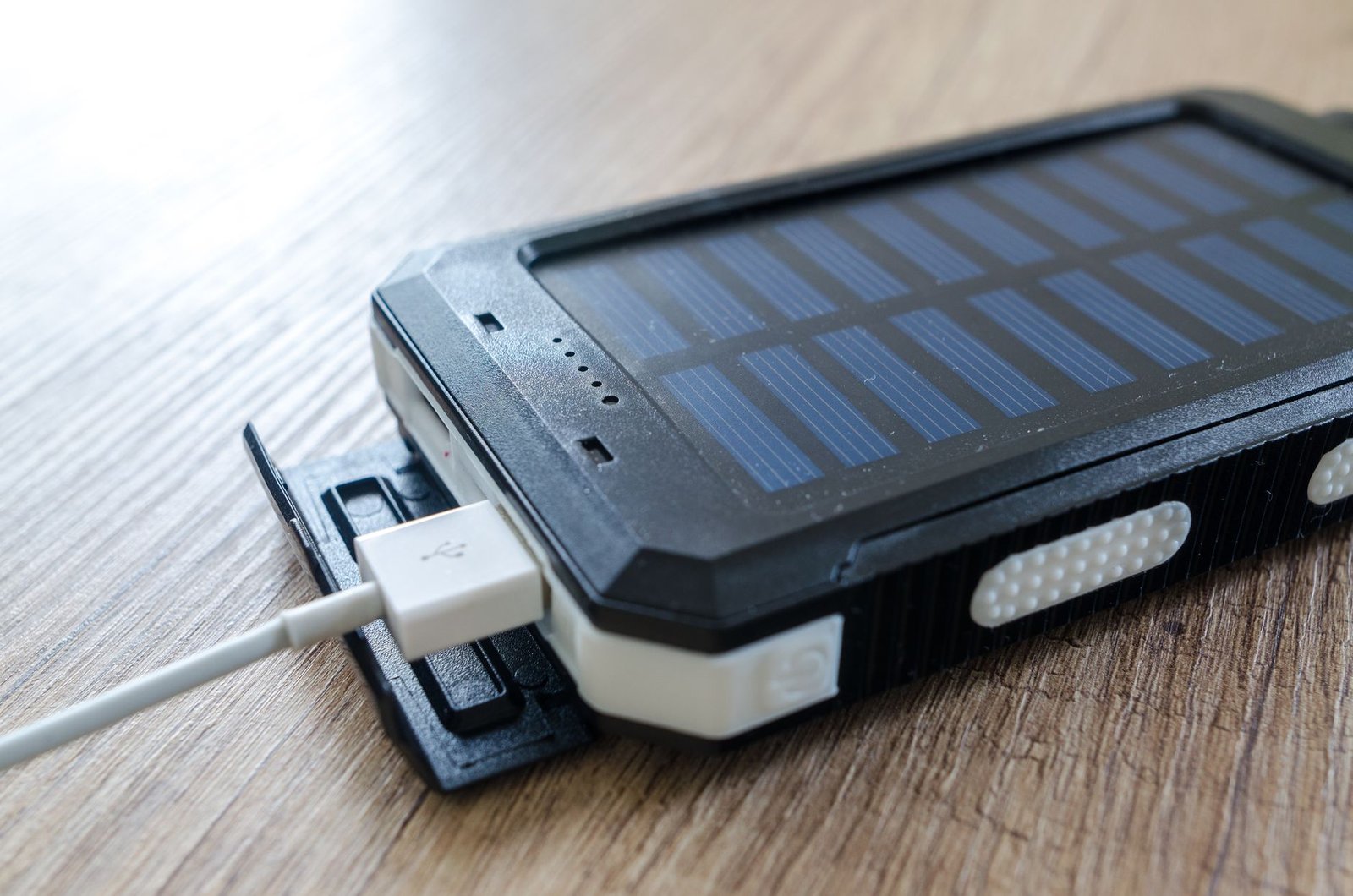
The core principle behind every solar light is simple: photovoltaic panels convert sunlight into electricity, which charges a battery, which powers the lamp after dark. Winter disrupts this chain in three ways—shorter days, weaker sun angles, and snow or ice accumulating on panels. What surprises many people is that cold itself is not the enemy. In fact, solar panels actually perform more efficiently in cold temperatures than in extreme heat, since lower temperatures reduce electrical resistance inside the cells. A crisp, sunny January day can generate excellent charging current.
The real challenge is the battery. Most solar street lights use lithium iron phosphate (LiFePO4) or lithium-ion cells, which tolerate cold far better than the old sealed lead-acid batteries. Quality lithium batteries continue charging at temperatures well below freezing, though their capacity temporarily dips. Cheap lead-acid units, by contrast, can lose a significant portion of their usable capacity in winter and may suffer permanent damage if charged while frozen.
Do Solar Lights Work in Winter? The Factors That Decide
When people ask do solar lights work in winter, the honest answer depends on four variables:
1. Geographic sunlight hours. In northern latitudes, December and January may offer only six to eight hours of weak daylight. A solar panel that fully recharges a battery in summer might only manage 40 to 60 percent in midwinter. Systems sized with a safety margin—larger panels and higher-capacity batteries—bridge this gap without issue.
2. Panel angle and orientation. A steep tilt helps snow slide off and captures more of the low winter sun. Panels mounted flat or at a shallow summer angle collect snow and ice, blocking light entirely until someone clears them.
3. Battery chemistry and sizing. A battery bank sized for three to five days of autonomy (cloudy-day backup) keeps lights running through extended overcast spells. Undersized batteries fade after one or two gray days.
4. Snow and ice management. A small amount of snow on a dark panel stops charging completely, but even partial snow melt along the frame can restore meaningful current. Many modern fixtures use tempered glass with a hydrophobic coating that sheds snow more readily than older plastic covers.
Do Solar Powered Lights Work in Winter With Snow Cover?
This is the scenario that worries people most. If a panel is buried under ten centimeters of snow, it will not charge—no technology changes that physics. However, practical experience shows that snow rarely stays put on a tilted, glass-covered panel for long. Sunlight warms the dark surface, melting the bottom layer so the snow slides off. Street lights mounted high on poles also benefit from wind exposure that clears panels naturally. In regions with persistent heavy snow, a quick sweep with a long-handled broom once or twice a week makes a dramatic difference.
Real-World Performance Expectations
In temperate climates with occasional snow, most quality solar street lights run reliably all winter with only minor reductions in brightness or runtime. In harsh northern climates, owners should expect seasonal variation: lights may dim slightly during prolonged overcast periods or switch to a lower-power mode to conserve battery. Well-built models with motion sensors handle this gracefully, running at reduced output until movement triggers full brightness—an intelligent way to stretch winter charge.
Tips to Maximize Solar Lights Winter Performance
– Choose fixtures with LiFePO4 batteries rated for sub-zero charging.
– Oversize the panel and battery by at least 30 percent beyond summer needs.
– Mount panels at a steep angle (45 degrees or more) in snowy regions.
– Keep panels clear of snow, dust, and shading from bare branches.
– Select models with adjustable brightness or motion-activated modes.
– Check battery health before winter; aging cells fail first in the cold.
The Surprising Truth
The biggest surprise is not that solar street lights fail in winter—it is how well good ones perform. Cold actually helps panel efficiency, modern lithium batteries shrug off freezing temperatures, and intelligent controllers ration power intelligently through dark spells. The systems that disappoint are almost always undersized, poorly angled, or equipped with outdated lead-acid batteries. Choose the right equipment, keep panels clear, and your solar street lights will shine reliably through the coldest months, proving that winter is a test of design quality rather than a barrier to solar power.