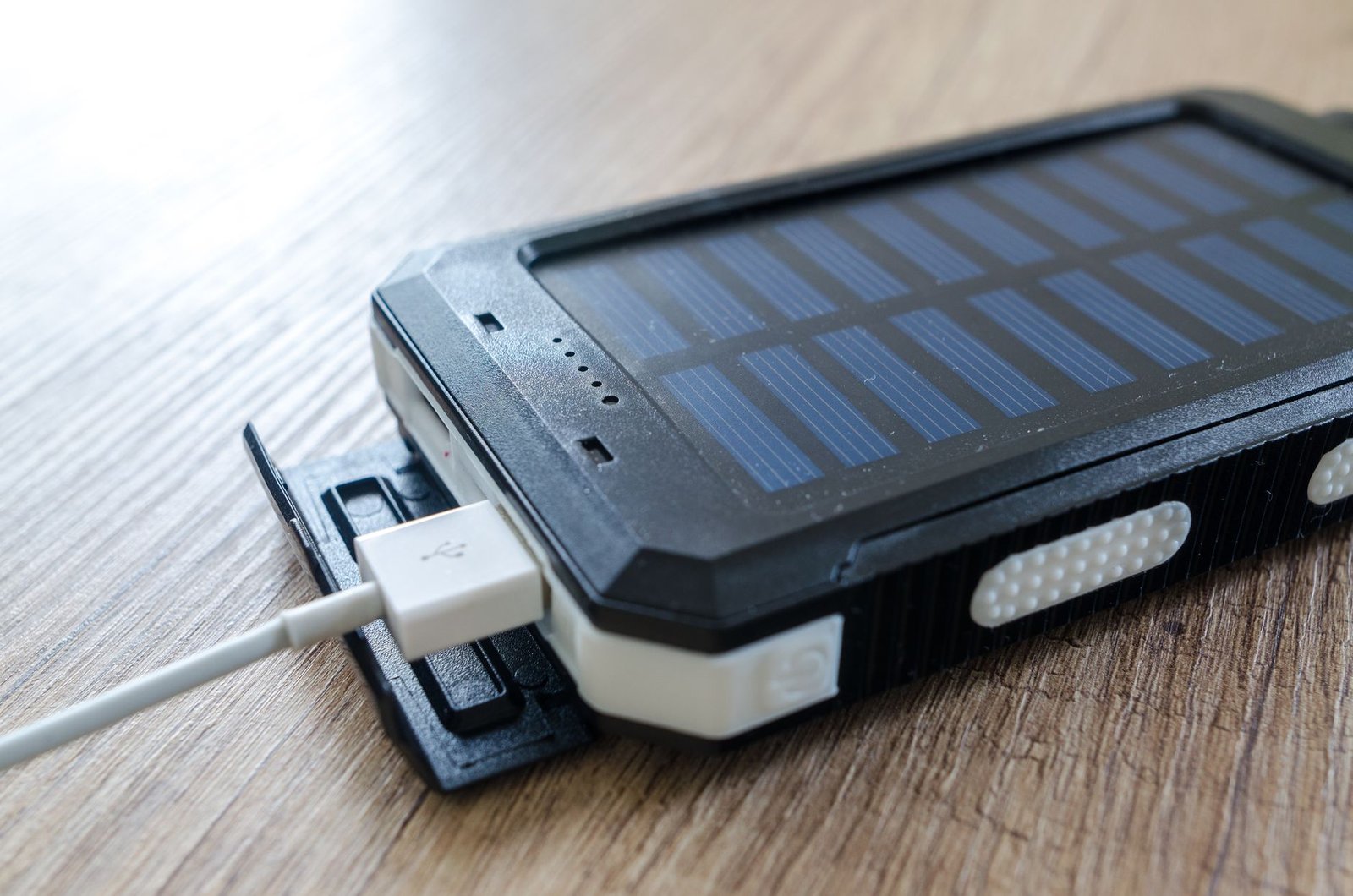
Solar street light battery selection is one of the most important decisions when designing a reliable off-grid lighting system. While solar panels capture energy during the day and the LED fixture determines brightness, the battery ultimately decides whether the light stays on through cloudy weather and long winter nights. Among the available chemistries, LiFePO4 (lithium iron phosphate) has become the preferred choice for modern solar lighting because it balances safety, cycle life, and usable capacity better than older lead-acid alternatives.
Why the Solar Street Light Battery Matters More Than You Think
A solar street light operates in a simple daily cycle: charge by day, discharge by night. That cycle repeats every single day for years, which means the battery accumulates thousands of partial charge and discharge events. Traditional sealed lead-acid and gel batteries typically deliver 300 to 700 cycles before capacity fades noticeably, so they often need replacement within two to three years. A quality LiFePO4 solar street light battery, by contrast, commonly reaches 2,000 to 5,000 cycles at 80% depth of discharge, translating into eight to twelve years of service under normal conditions.
The battery also determines how much energy you can actually use. Lead-acid batteries should not be discharged below about 50% state of charge without suffering accelerated aging, so a nominal 100Ah lead-acid pack effectively provides only 50Ah. LiFePO4 can safely use 80% to 90% of its rated capacity, meaning a smaller and lighter lithium pack can replace a much larger lead-acid bank.
Understanding Solar Street Light Battery Capacity
Solar street light battery capacity is measured in amp-hours (Ah) or watt-hours (Wh). To size it correctly, you need three numbers: the power draw of the LED fixture, the number of hours it runs each night, and the number of consecutive cloudy days the system must endure.
For example, a 60W LED light operating 10 hours per night consumes 600Wh daily. If you want three days of autonomy and a maximum depth of discharge of 80%, the required capacity is:
600Wh × 3 days ÷ 0.8 = 2,250Wh
At a 12.8V nominal voltage, that equals roughly 176Ah. A common practical configuration would be a 12.8V 200Ah LiFePO4 battery, or a 25.6V 100Ah unit, which offers the same energy with lower current and thinner cabling.
Sizing Tips for Real Installations
– Add a 20% to 30% margin above your calculated requirement to account for panel soiling, temperature effects, and battery aging.
– Check the continuous and peak discharge current rating; the battery must handle the LED driver’s inrush current without tripping its BMS.
– Prefer higher voltage systems (25.6V or 51.2V) for fixtures above 80W to reduce resistive losses.
– Confirm the battery’s BMS supports low-temperature charge cutoff, which protects lithium cells in cold climates.
What Determines LiFePO4 Solar Street Light Battery Life
Several factors influence how long a LiFePO4 solar street light battery will last in the field:
Depth of discharge. Keeping daily discharge at or below 80% dramatically extends cycle life compared with regularly draining the pack to 100%.
Temperature. LiFePO4 tolerates heat better than many lithium chemistries, but sustained operation above 45°C accelerates capacity fade. Conversely, charging below 0°C can cause permanent damage, which is why a battery management system with temperature protection is essential.
Charge and discharge rates. Operating within the manufacturer’s recommended C-rates reduces internal stress. A gentle, consistent solar charge profile is generally kinder to cells than fast charging.
Quality of cells and BMS. Grade-A prismatic cells paired with a well-designed BMS outperform cheap assembled packs by a wide margin. The BMS balances cells, prevents overcharge and over-discharge, and guards against short circuits.
Cycle depth and partial state of charge. Unlike lead-acid, LiFePO4 does not suffer from partial-state-of-charge operation, so opportunistic solar charging throughout the day has little negative impact.
Comparing Battery Options at a Glance
| Chemistry | Typical Cycle Life | Usable Capacity | Weight | Best Use |
|—|—|—|—|—|
| Flooded lead-acid | 300–500 | 50% | Very heavy | Budget legacy systems |
| Gel / AGM | 500–700 | 50% | Heavy | Moderate climates |
| LiFePO4 | 2,000–5,000+ | 80–90% | Light | Modern solar street lights |
For most new installations, LiFePO4 is the clear winner on total cost of ownership. Even though the upfront price per watt-hour is higher, the longer service life, deeper usable capacity, and reduced maintenance often make it cheaper over a ten-year horizon.
Practical Maintenance and Longevity Advice
To get the most from a solar light battery, mount it in a shaded, ventilated enclosure rather than inside the fixture housing where heat accumulates. Use properly sized cabling and waterproof connectors to prevent voltage drop and corrosion. Periodically inspect the charge controller settings to ensure the absorption and float voltages match the LiFePO4 profile, typically around 14.2V to 14.6V for a 12.8V pack. Finally, keep an eye on night-time runtime; a gradual reduction in hours of operation is the earliest sign of capacity decline.
Choosing the right solar street light battery comes down to matching chemistry, capacity, and quality to your specific lighting load and climate. When sized correctly and paired with a good MPPT controller, a LiFePO4 pack will keep your solar street lights shining reliably for nearly a decade with almost no maintenance.