How long do solar street lights last depends on several variables, including battery chemistry, panel quality, LED efficiency, and the environment in which the fixture operates. Most well-built solar street lights last between 5 and 15 years overall, but that range comes from combining components with very different lifespans. Understanding how each part ages is the key to predicting real-world performance and getting the most value from an installation.
Understanding the Solar Street Light Lifespan by Component
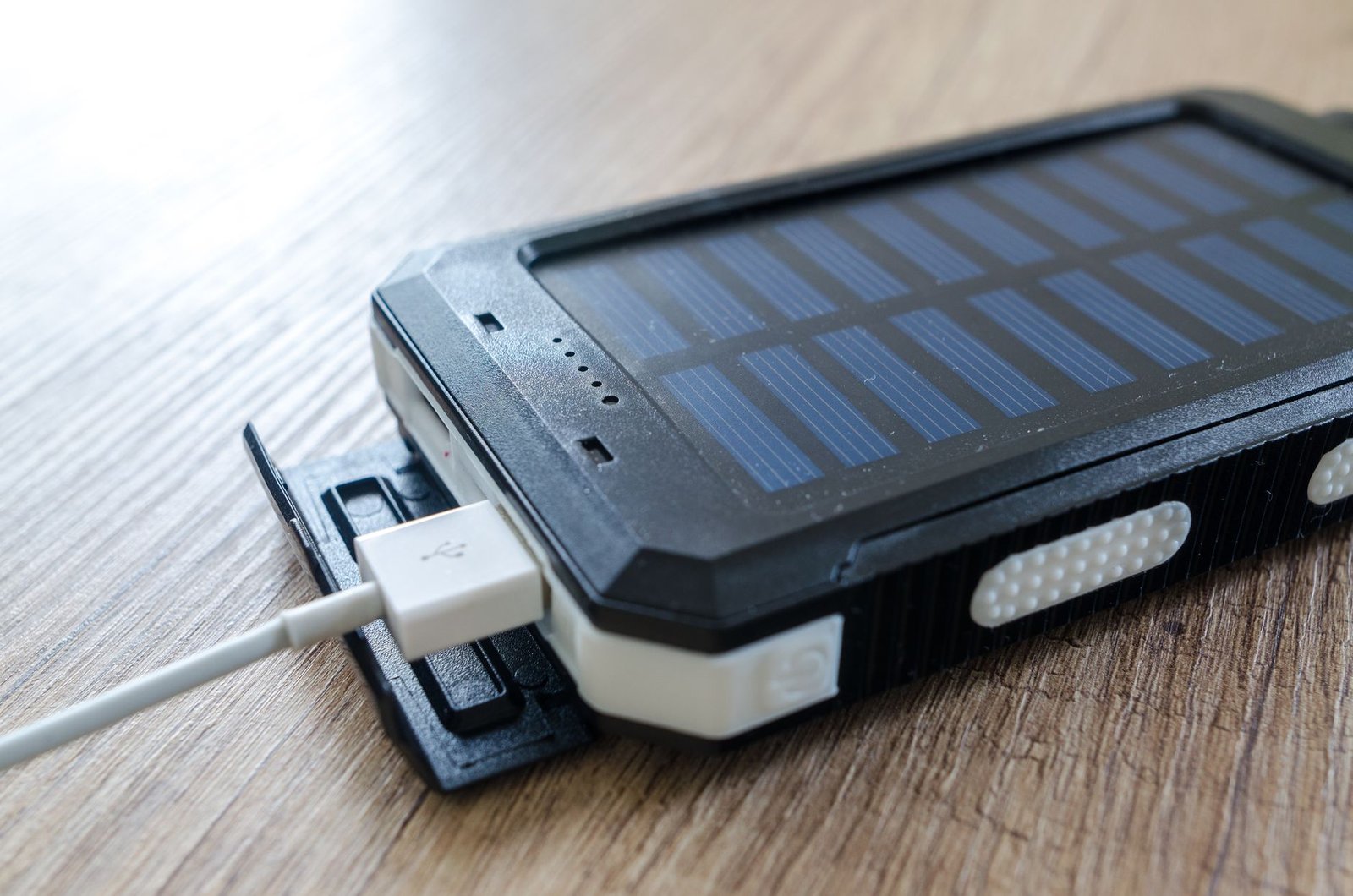
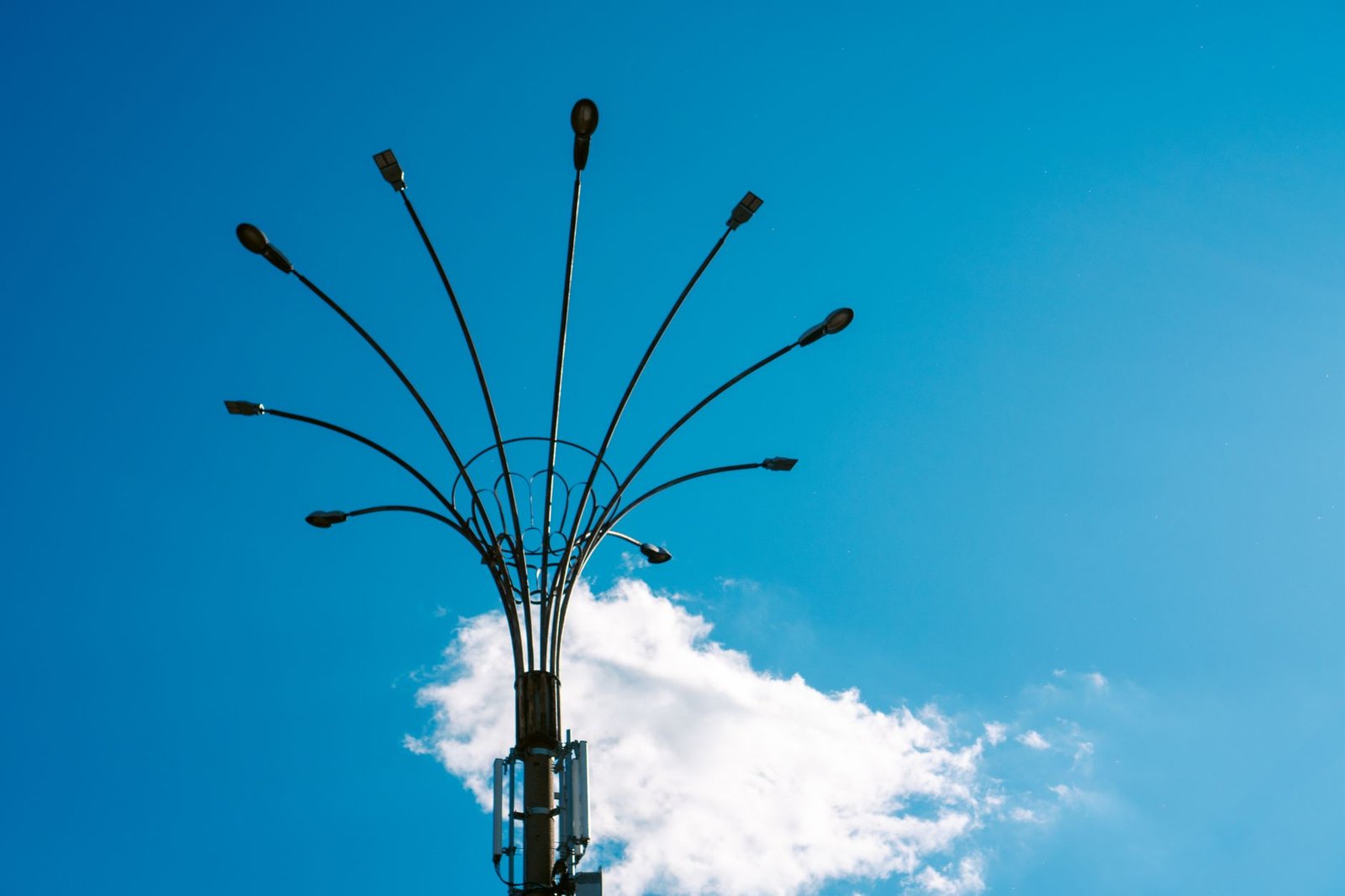
A solar street light is not a single unit with one expiration date. It is a small system made up of a solar panel, a battery, LED lamps, a controller, and the housing. Each of these has its own expected service life, and the weakest link usually determines when the whole fixture needs attention.
– Solar panel: 20 to 25 years for quality monocrystalline or polycrystalline panels
– Battery: 3 to 7 years for lithium-ion, 2 to 5 years for lead-acid, and up to 10 years or more for LiFePO4
– LED lamp: 50,000 to 100,000 hours, which often translates to 10 to 15 years of nightly use
– Controller: 5 to 10 years, depending on surge protection and weather sealing
– Housing and mounting: 10 to 20 years with corrosion-resistant materials
Because batteries degrade fastest, the practical solar street light lifespan is often tied to how often the battery needs replacing. A fixture with a 20-year panel and a 4-year battery realistically delivers about 4 to 5 years before its first major service.
How Long Do Solar Street Lights Last in Real Conditions?
In controlled lab tests, components can hit their maximum ratings. In the field, heat, humidity, dust, salt air, and cloudy weather all shorten the numbers. A unit installed in a moderate climate with good sun exposure may run 10 to 12 years with one battery swap. The same unit in a hot desert or a coastal area might need battery replacement every 3 to 4 years and could show panel output loss sooner.
Depth of discharge matters too. Batteries that are drained to 80 or 90 percent every night wear out much faster than those cycled to 40 or 50 percent. Systems sized with extra battery capacity often last noticeably longer because each cycle is gentler.
How Long Do Solar Lights Last Compared With Grid-Tied Options?
Many buyers ask how long do solar lights last compared with traditional street lighting. A grid-connected LED street light may have a 10 to 15-year fixture life, but it depends on continuous power and wiring that can fail. Solar lights avoid trenching and grid outages, but they add a battery that needs periodic replacement. Over a 15-year window, a solar unit typically costs more in battery replacements but less in installation and electricity.
Tips to Extend Solar Street Light Lifetime
1. Choose lithium iron phosphate (LiFePO4) batteries where budget allows.
2. Oversize the panel and battery slightly to reduce daily discharge depth.
3. Mount panels at the correct angle and keep them free of dust, snow, and shade.
4. Use motion-dimming modes so the light runs at full power only when needed.
5. Inspect connections and seals once or twice a year.
6. Replace the battery at the first sign of reduced runtime rather than waiting for failure.
FAQ
Can solar street lights last 20 years?
The panel and housing can, but the battery almost certainly cannot. Expect at least one or two battery replacements over 20 years.
What usually fails first?
The battery, followed by the controller in humid or storm-prone areas.
Do cheap solar street lights last as long?
Usually not. Low-cost units often use smaller batteries and thinner sealing, which can cut lifespan to 2 or 3 years.
Does cold weather shorten lifespan?
Cold reduces temporary capacity but can actually slow chemical aging. Extreme heat is harder on batteries than cold.
With quality components and reasonable maintenance, a solar street light can deliver dependable nightly illumination for a decade or more. The smartest approach is to plan for battery service every few years and treat the panel, LED, and housing as long-term assets.