Solar Street Lights for Municipal Projects: Procurement Guide
Municipal solar street lighting has become a practical default choice for cities, counties, and public works departments that need reliable roadway illumination without the high cost and disruption of trenching, cabling, and grid connections. For procurement officers and project managers, the core question is no longer whether solar street lights for municipalities are viable, but how to specify, compare, and purchase systems that will perform reliably for 10 years or more under real operating conditions.
This guide covers the key technical and commercial factors that determine project success, common mistakes in public procurement, and how to evaluate suppliers before issuing a tender or purchase order.
Why Municipalities Choose Solar Street Lights for Roads and Public Spaces
Public solar street lighting removes most of the civil works associated with conventional roadway lighting. There is no underground conduit, no transformer connection, no metering, and no monthly electricity bill for the lighting asset. For municipalities, that translates into lower installation cost, faster deployment, and predictable long-term operating expense.
The most common municipal applications include:
- Secondary roads and residential streets
- Rural highway intersections and bus stops
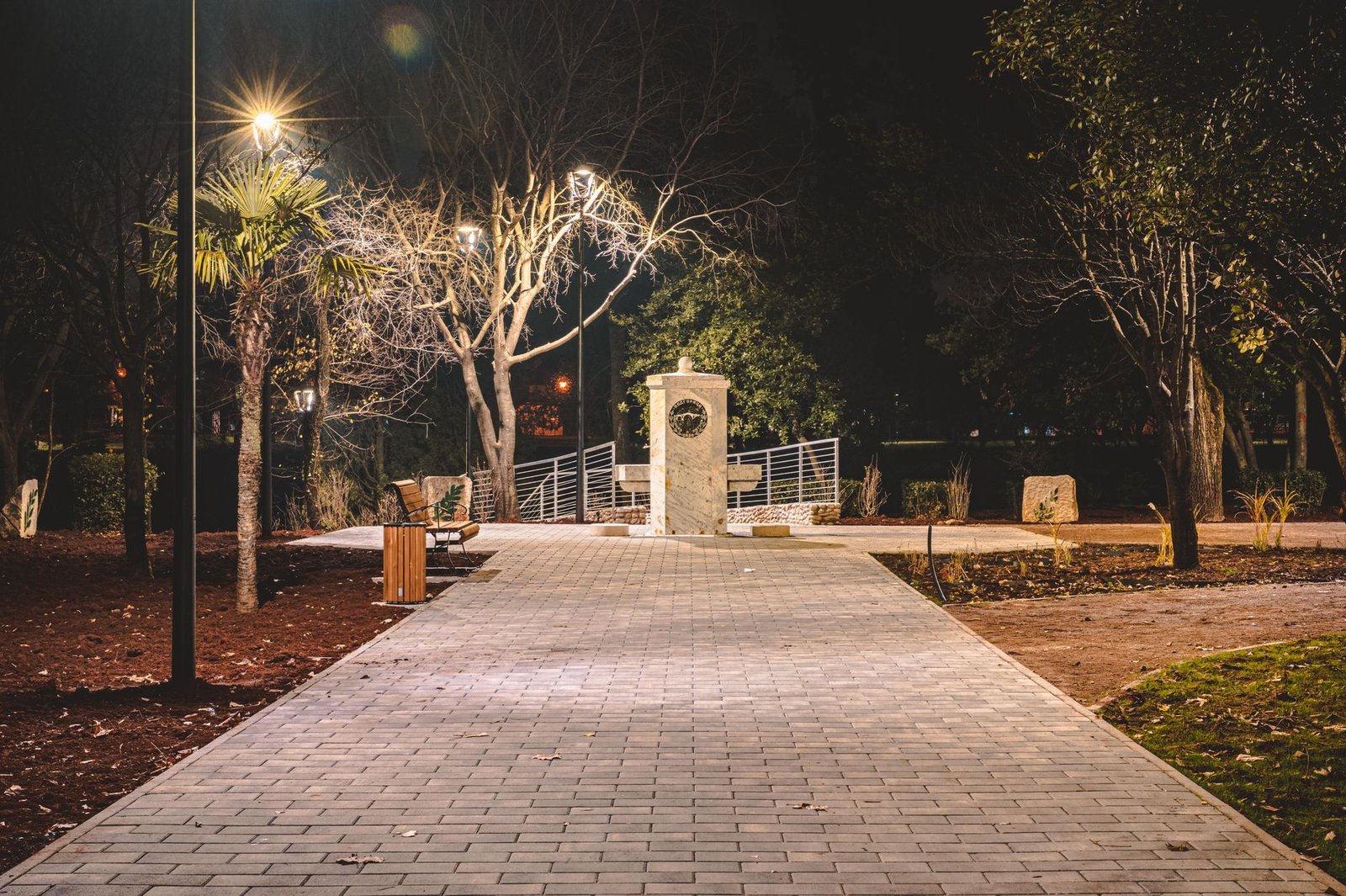
- Parking lots, parks, and pedestrian paths
- Public housing access roads
- Industrial zone perimeter roads
- Emergency or temporary lighting after infrastructure damage
A well-specified municipal solar street light system operates autonomously, charges during daylight, and provides consistent illumination through the night according to the programmed profile. However, performance depends heavily on component selection, system sizing, and local solar conditions—not just the wattage printed on the fixture.
Key Components That Determine Performance
1. Solar Panel
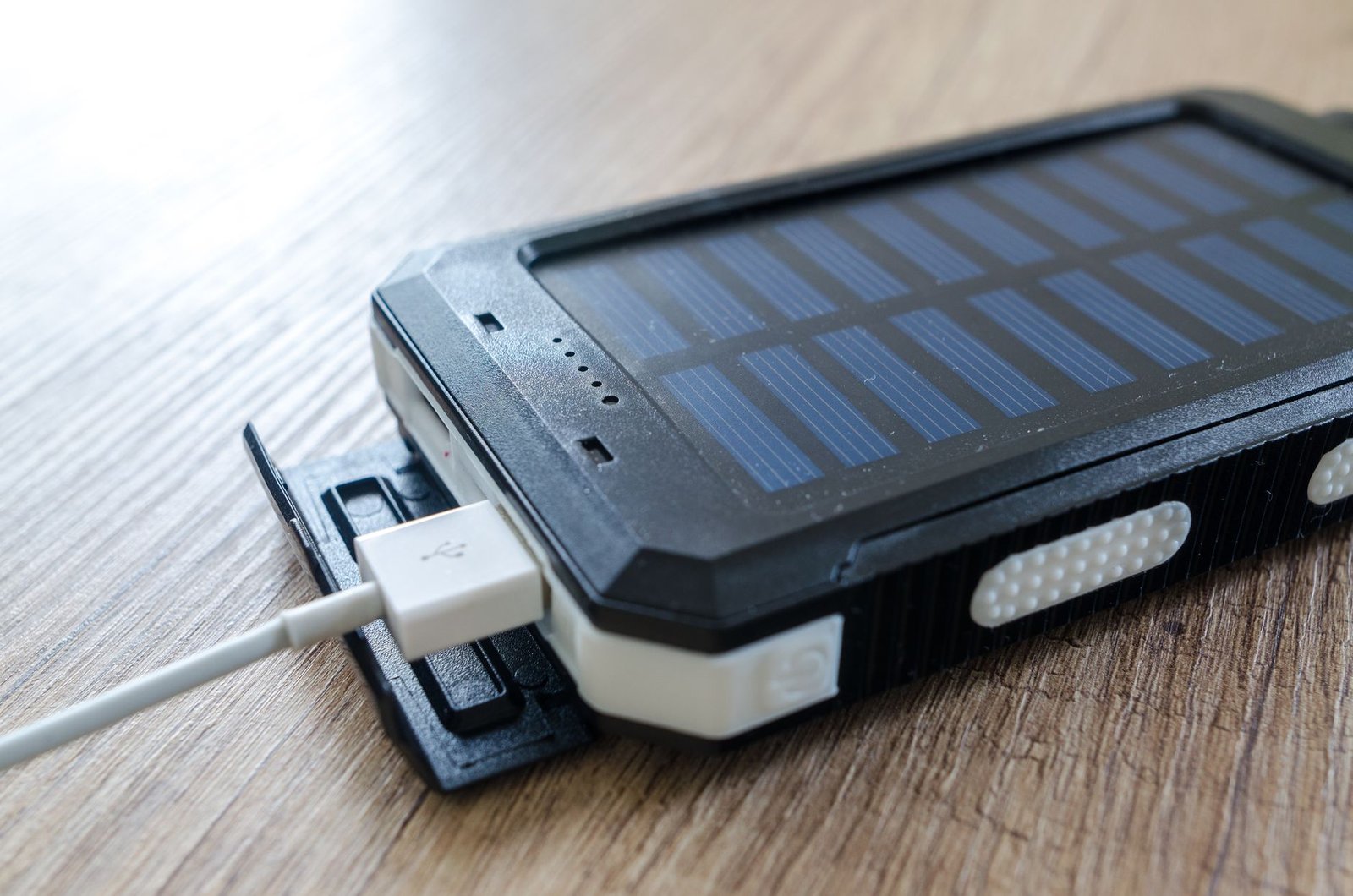
The solar panel converts sunlight into electrical energy that is stored in the battery. In municipal applications, panel orientation, tilt angle, and shading matter as much as panel wattage. A panel rated for 100W under standard test conditions will not deliver 100W in the field unless installed correctly and kept reasonably clean.
What buyers should verify:
- Panel type: monocrystalline panels are generally more efficient than polycrystalline and perform better in low-light conditions.
- Panel wattage in relation to LED load and local peak sun hours.
- Frame and glass quality, especially in coastal or high-wind locations.
- Whether the panel is integrated into the fixture or mounted separately on the pole arm.
2. Battery (LiFePO4 vs. Alternatives)
For municipal solar street lights, the battery is the component most likely to fail early if under-specified or paired with a poor charge controller. Lithium iron phosphate (LiFePO4) has become the standard for public projects because it offers:
- Longer cycle life compared to lead-acid or basic lithium-ion
- Better high-temperature tolerance
- Lower self-discharge
- Higher depth-of-discharge capability without damage
Buyers should ask the supplier for the battery’s rated cycle life at the expected operating temperature and depth of discharge, not just a nominal capacity figure.
3. LED Module and Driver Efficiency
LED lumens per watt have improved steadily, but fixture efficiency also depends on optical design, lens quality, and driver efficiency. A higher-wattage LED module is not automatically better. For roadway use, what matters is the actual illuminance delivered to the road surface in lux, and the uniformity ratio.
Important parameters:
- Total system efficacy (lumens per watt at system level, including driver losses)
- Color temperature: 4000K and 5000K are common for municipal roadways
- Light distribution type (Type II, III, or IV depending on road width and pole spacing)
- Rated LED lifetime, usually L70 at 50,000 hours or more
4. Charge Controller and System Intelligence
The charge controller manages energy flow between the panel, battery, and LED. In municipal projects, buyers increasingly expect features such as:
- Dusk-to-dawn operation with programmable dimming
- Motion sensor integration for low-traffic roads
- Battery protection against overcharge and deep discharge
- Temperature compensation
- Remote monitoring or fault reporting (depending on project requirements)
5. Pole Height and Mounting Considerations
Pole height must be matched to road width, required light level, and pole spacing. For municipal roads, poles are commonly 6 to 9 meters. A supplier may recommend a specific pole height based on the fixture’s optical distribution. Buyers should require a basic photometric layout from the supplier to verify average lux and uniformity before committing to a large order.
6. IP Rating and Corrosion Resistance
Municipal installations are exposed to moisture, dust, temperature swings, and sometimes salt spray. The luminaire and battery enclosure should carry an appropriate IP rating—typically IP65 or IP66 for the fixture and battery housing. In coastal areas, buyers should also ask about salt-spray testing or anti-corrosion coating on the pole and mounting hardware.
Sizing a Municipal Solar Street Lighting System
Correct system sizing prevents the two most common failures in public solar street lighting projects: insufficient autonomy during cloudy periods and premature battery failure from repeated deep discharges.
Suppliers generally ask for the following information before issuing a proposal:
- Project location and average daily peak sun hours
- Road width and pole spacing
- Required illumination level (lux) and operating hours per night
- Number of rainy or cloudy days the system should operate without solar input (autonomy days)
- Seasonal differences in daylight, if any
A properly sized system for a northern municipal project will look different from one designed for a tropical city, even if both use the same fixture. Buyers should request a technical proposal that includes system sizing calculations, not just a unit price.
Procurement Models: Standard Products vs. Custom Projects
Most municipal purchasing follows one of two paths:
Standard municipal solar street lights are off-the-shelf systems with fixed panel wattage, battery capacity, and pole height. This approach works well for smaller deployments, pilot projects, or replacement programs where site conditions are broadly similar.
Project-specific systems are configured for a particular road or neighborhood. The supplier sizes the panel, battery, pole, and fixture based on engineering requirements. This is the better approach for large deployments or projects where reliability and photometric performance are contractually binding.
SUNLUX supports both models as a manufacturer and supplier of solar street lights, including OEM/ODM cooperation for distributors and contractors who need to align product configurations with local tender requirements.
Common Procurement Mistakes to Avoid
1. Buying on Wattage Alone
Two fixtures both labeled “100W” can deliver dramatically different road illumination depending on LED quality, optical design, and driver efficiency. Always compare delivered lumens and lux, not just panel or LED wattage.
2. Ignoring Local Solar Conditions
A product configured for a high-irradiance region may fail to fully charge in a municipality with frequent overcast conditions. Request sizing calculations based on the actual project site, not a generic template.
3. Under-Specifying Battery Autonomy
If the system is designed for one day of autonomy but the region experiences five consecutive cloudy days, the lights will dim or shut down. Municipal buyers should specify autonomy days based on local weather patterns and public safety expectations.
4. Overlooking Installation Requirements
Even the best solar street lights for roads will underperform if installed facing the wrong direction, in shaded locations, or with loose mounting hardware. Specify installation training, installation manuals, and commissioning checks in the tender documents.
5. Choosing the Cheapest Bid Without Reviewing Component Quality
Battery quality, LED brand, charge controller firmware, and pole steel thickness are easy places for low-cost bidders to cut corners. Request a full bill of materials and component datasheets.
6. Not Planning for Maintenance Access
Batteries and controllers eventually need service. Ask where the battery is housed, how it is accessed, and whether replacement components will be available for the product’s expected service life.
Supplier Selection Criteria for Municipal Tenders
For municipal buyers, the supplier relationship matters as much as the product. Key items to evaluate:
- Manufacturing capability: Does the supplier operate its own production lines or simply trade products?
- Quality certifications: Ask for ISO and relevant product certifications applicable to the target market.
- Customization capability: Can the supplier adjust pole height, panel size, battery capacity, or control logic for your project?
- Documentation quality: Will the supplier provide photometric files (IES), datasheets, installation instructions, and test reports?
- Warranty terms: Clarify what is covered for the panel, battery, fixture, and pole, and for how long.
- Lead time and logistics: Municipal budgets often have strict delivery windows.
- After-sales support: Is there a clear process for warranty claims and replacement parts?
SUNLUX works with B2B customers including importers, distributors, contractors, and project buyers who require technical documentation, customization support, and reliable production capacity. For buyers exploring SUNLUX solar street light solutions, the company can provide specification sheets and project-oriented recommendations.
Comparison: Municipal Solar Street Lights vs. Grid-Tied LED
| Factor | Municipal Solar Street Lights | Grid-Tied LED Street Lights |
|---|---|---|
| Initial installation cost | Lower for remote sites; no trenching or cabling | Higher due to civil works and connection fees |
| Operating cost | No electricity bill | Ongoing energy cost |
| Reliability during grid outages | Continues operating independently | Non-functional without backup power |
| Maintenance focus | Battery and panel cleaning | Wiring, ballast/driver, grid connection |
| Best fit | Rural roads, parks, remote public spaces, new developments without lighting infrastructure | Dense urban corridors with existing grid access and high light demands |
| Deployment speed | Faster; units can be installed with basic equipment | Slower; requires coordination with utilities |
Frequently Asked Questions
1. How many backup days should municipal solar street lights have?
This depends on local weather patterns. Many municipal specifications call for 2 to 3 days of autonomy, meaning the system can operate without meaningful solar input for that period. Locations with extended cloudy seasons may require more. Buyers should ask suppliers to size the battery based on actual solar data for the project site.
2. What pole height is appropriate for municipal roads?
Common pole heights range from 6 to 9 meters for secondary roads and residential streets. Wider roads or higher traffic volumes may require taller poles or higher-output fixtures. The correct answer comes from a photometric study based on road width, pole spacing, and required average lux.
3. Can municipal solar street lights operate in cold climates?
Yes, if the system is specified correctly. Cold temperatures reduce battery capacity unless the charge controller includes temperature compensation and the battery is protected. LiFePO4 batteries perform better in low temperatures than many alternatives, but buyers should confirm operating temperature ranges with the supplier.
4. How often do the batteries need to be replaced?
Quality LiFePO4 batteries in municipal solar street lighting systems can last 5 to 8 years or more depending on depth of discharge, operating temperature, and cycle frequency. Buyers should confirm the expected service life under their specific operating profile and ensure replacement batteries are available from the supplier.
5. Is remote monitoring available for public solar street lighting?
Some suppliers offer optional monitoring systems that report battery status, charging performance, and fault conditions. For large municipal deployments, this can reduce maintenance costs significantly. If remote monitoring is required, include it as a tender requirement and verify compatibility with existing municipal systems.
6. What certifications should municipal buyers request?
Certification requirements vary by country and region. Common requests include CE, RoHS, ISO 9001 for the manufacturer, and specific local certifications for electrical products. Municipal buyers should confirm which certifications are mandatory in their jurisdiction and request copies from the supplier.
7. Can existing grid-tied street light poles be converted to solar?
In many cases, yes. A standalone solar-powered fixture can be mounted on existing poles if the structure is sound and the location receives adequate sunlight. However, a structural assessment and shading analysis should be performed first. Buyers should discuss conversion projects with the manufacturer to ensure panel mounting and battery placement are addressed.
Conclusion
Municipal solar street lighting is a mature technology that can materially reduce lifecycle cost and deployment time for public lighting projects—when the system is correctly specified and sourced. The difference between a successful program and an expensive failure usually comes down to component quality, proper sizing for local conditions, and supplier accountability.
For municipal buyers, the most valuable step is to work with a manufacturer that can provide detailed technical documentation, sizing calculations, and customization support rather than simply offering a price per unit. Investing time in specification and supplier evaluation before procurement pays for itself over the life of the installation.
If you are planning a municipal solar street lighting project or need technical specifications, photometric data, or OEM/ODM support for solar street lights, contact SUNLUX for project-specific guidance and quotation.