A decorative garden light can look perfect in a catalog but create avoidable operating costs if its control method is poorly specified. For parks, resorts, pedestrian paths and commercial landscaping, the buyer must decide when the lights switch on, whether they dim and who maintains the control equipment. Photocells and timers solve different problems.
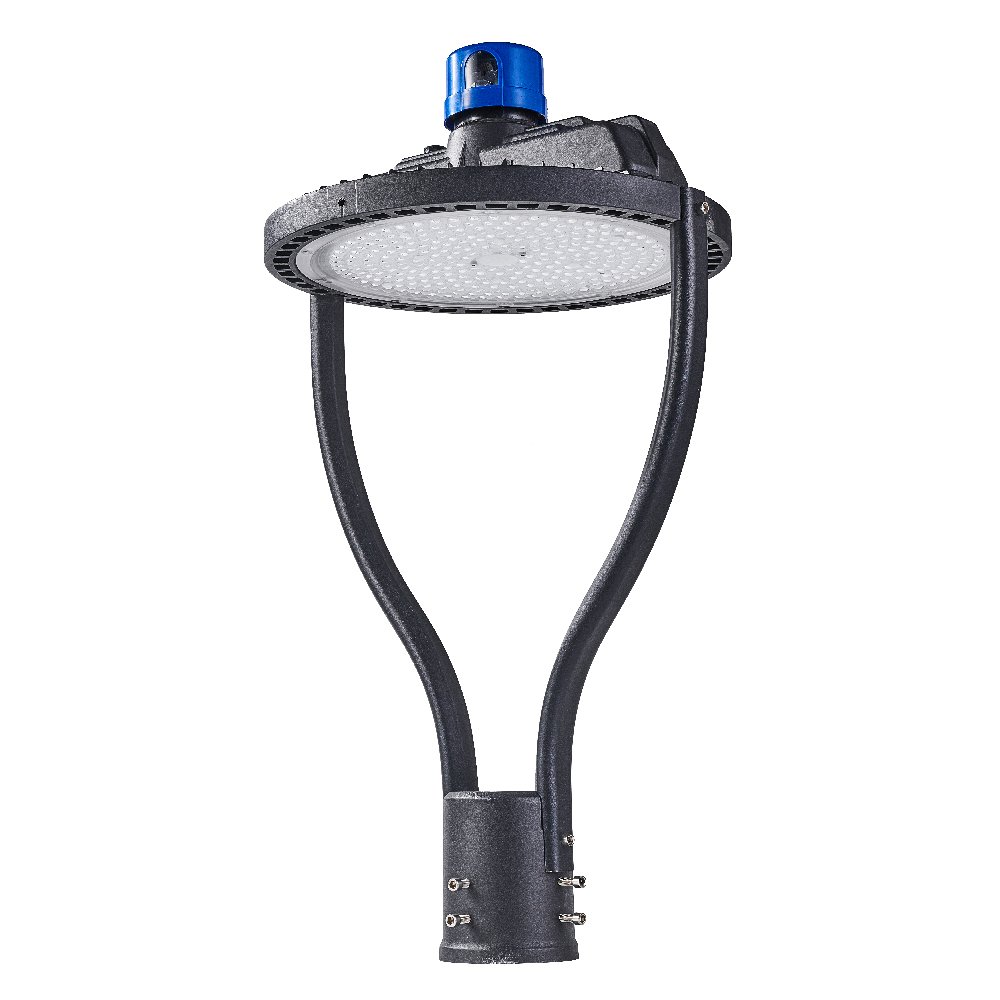
Photocell: automatic response to ambient light
A photocell or dusk-to-dawn sensor switches lighting according to measured ambient brightness. This can accommodate seasonal sunset changes without manually resetting a clock. The sensor location matters: nearby luminaires, vehicle headlights or reflected light may cause unintended switching. Ask whether the sensor is built into each fixture, mounted on the pole or shared by a group of circuits.
Timer: a predictable schedule
A timer can switch lights at specified hours, but a basic fixed clock may require seasonal adjustment. An astronomical timer uses location and date to calculate expected sunrise and sunset, reducing manual changes. Buyers should define the operating hours, public access needs and any overnight curfew before selecting the control method. A park open late may need a different schedule from a hotel garden.
Combine controls only when the logic is clear
Some projects use a photocell to enable operation after dusk and a timer to turn off nonessential decorative lights later. Others require a dimming controller or centralized management. Define priority rules for conflicting signals and provide a manual override for authorized maintenance. The electrical design should identify which circuit feeds essential safety lighting and which circuits may be dimmed or switched off.
Select outdoor hardware for the environment
Check the control device’s supply voltage, switching capacity, enclosure rating, surge protection and service access. A photocell exposed to dirt or shaded by foliage may behave differently over time. Place controls where technicians can inspect and replace them without dismantling decorative fixtures unnecessarily. If the luminaire uses a dimmable driver, confirm the exact compatible control interface.
Commission the actual behavior at dusk
At handover, test switching thresholds, delays, timer clock settings, manual override and recovery after a power outage. Record the settings and identify who is responsible for seasonal changes. For public pathways, the designer should verify that the selected schedule maintains the lighting needed for safe use.
RFQ and Commissioning Checklist
- Park opening hours and essential safety-lighting zones
- Photocell location and switching threshold
- Timer type, time zone and seasonal behavior
- Dimming driver compatibility and control interface
- Circuit grouping, override and outage recovery
- Outdoor rating and service access
- Commissioning record and maintenance ownership
Frequently Asked Questions
Is a photocell better than a timer?
Neither is universally better. Photocells respond to light; timers enforce a schedule.
Can one photocell control many garden lights?
Yes, through a properly designed circuit and switching equipment within rated limits.
Should park lights turn off at midnight?
Only if local requirements and the site’s actual access and safety needs permit it.
Further reading: US Department of Energy technical guidance. Always apply the standards relevant to your project.
Get a Project-Specific SUNLUX Quotation
Send SUNLUX Lighting your project drawings, BOQ, location and required operating conditions. We can review the relevant product and control options and prepare a quotation for the confirmed configuration. Email sales@sunluxledlighting.com or WhatsApp +8619189782897.
Related guides: Solar Garden Pathway Lighting · Outdoor LED Lighting Buying Guide.