An LED floodlight can meet a photometric specification yet become expensive to install if its bracket, bolt pattern or aiming access is overlooked. For stadium edges, yards and industrial sites, the mounting interface should be reviewed alongside the lighting calculation and maintenance plan.
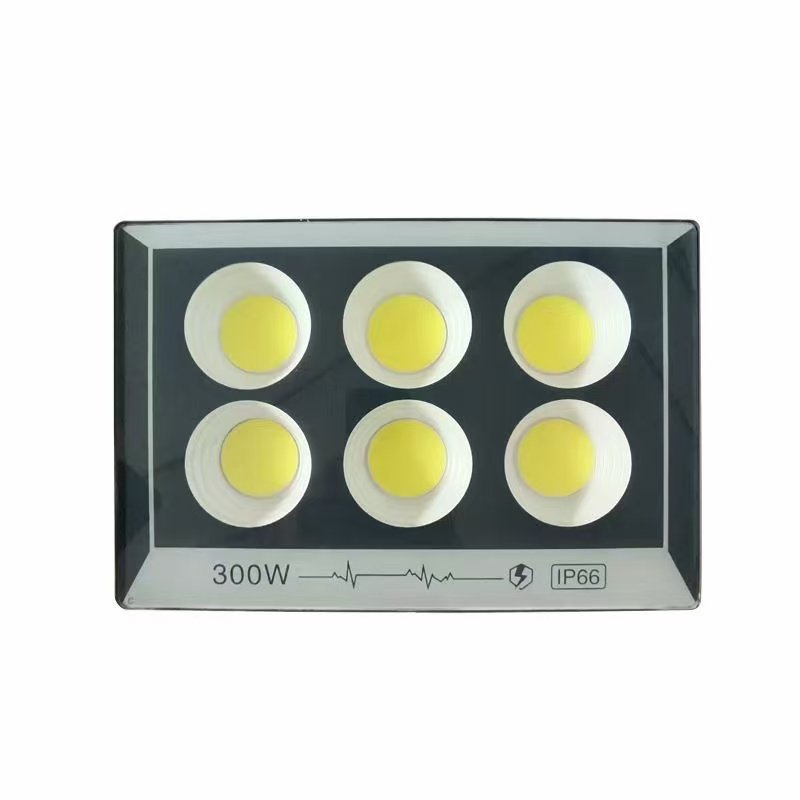
Confirm the support structure and load path
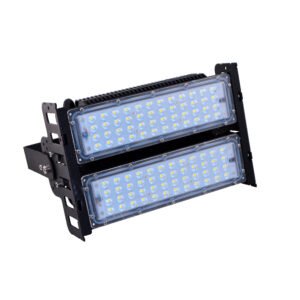
Request bracket drawings, mounting-hole geometry, allowable adjustment range and the manufacturer’s installation instructions. The structural engineer should verify the support, fasteners and site-specific wind and vibration loads. Do not substitute a generic bracket dimension for a checked project detail.
Plan aiming without unsafe improvisation
Identify how technicians will access the adjustment bolts and read the aiming schedule. The luminaire should be able to reach the designed orientation within its permitted mechanical range. Avoid relying on excessive tilt to compensate for an unsuitable optic, especially near neighboring properties.
Protect cables and connections
Check cable entry direction, gland compatibility, strain relief, drip loops where appropriate and segregation from moving or sharp components. Confirm that the bracket does not trap cables when the luminaire is adjusted. Use the installation and earthing requirements applicable to the selected fixture and jurisdiction.
Commission and document
Record fixture IDs, mounting locations, actual aiming angles, fastening inspections and lighting measurements against the approved design. Keep spare fastener and bracket information with the maintenance package. Photographs help identify the installation, but measured performance is the basis of lighting acceptance.
EPC and importer RFQ checklist
- Fixture and bracket model drawings
- Support and fastener engineering review
- Adjustment range and access method
- Cable protection and earthing
- Aiming schedule and photometric model
- Commissioning and maintenance records
Frequently asked questions
Does the same bracket fit every floodlight?
No. Hole pattern, weight, loads and aiming geometry differ by model.
Can aiming replace a lighting design?
No. The design must identify suitable optics and mounting geometry first.
What should the installer hand over?
Final aiming positions, inspection records and measured lighting results.
Related buying guides
Narrow versus wide floodlight beams | IES file verification for EPC
Ask SUNLUX for a project quotation
Explore the relevant SUNLUX product range and send your project drawings, quantities, destination and technical requirements to sales@sunluxledlighting.com or WhatsApp +86 191 8978 2897. Product options and compliance evidence must be confirmed for the exact quoted model and project.